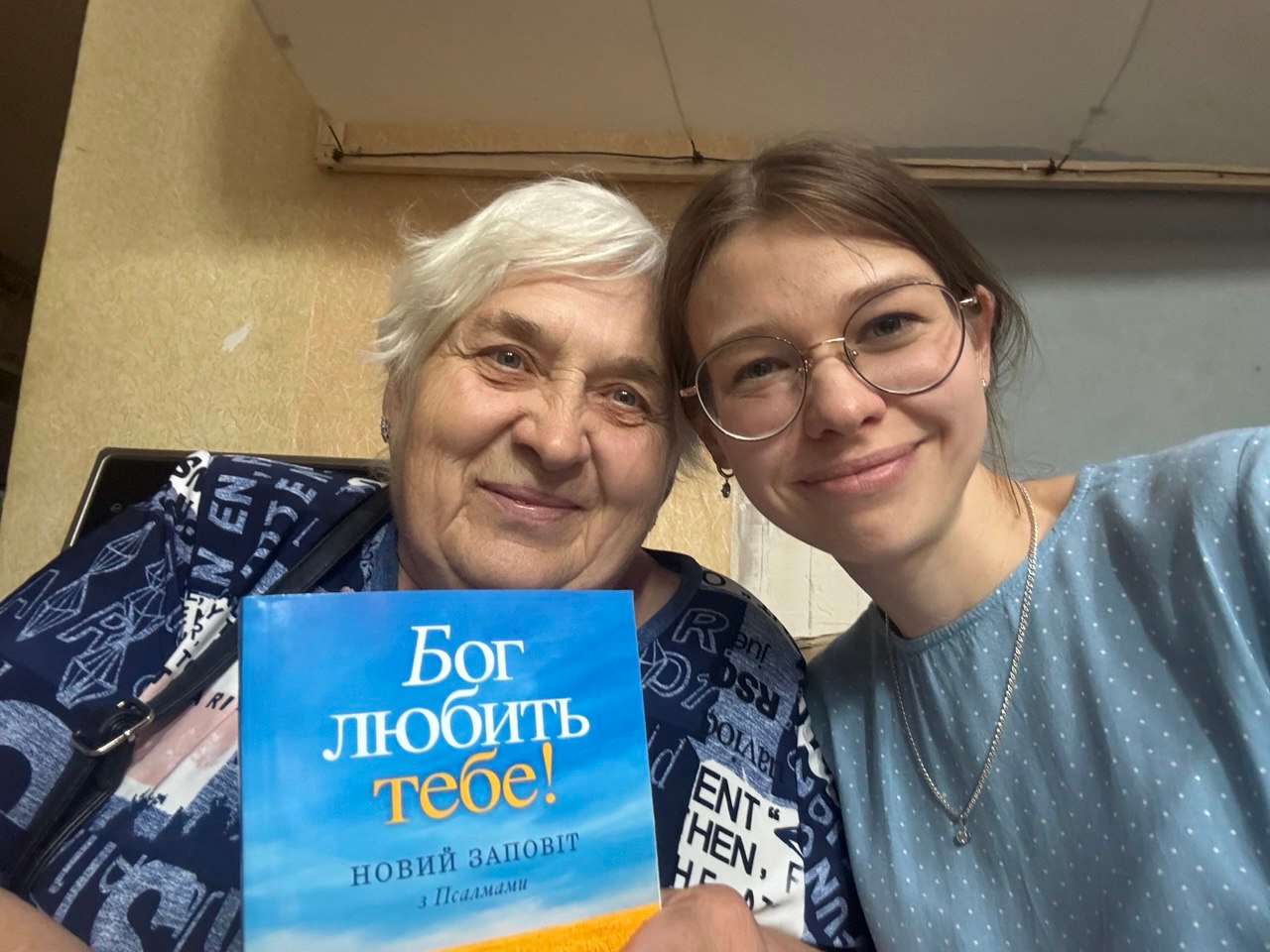
Finding Hope Amid the Shrapnel: Olexandra’s Story from Ukraine
When the war in Ukraine upended Olexandra’s life, she and her husband chose to stay behind in a crumbling frontline city, risking everything to survive and serve their community. This is a breathtaking story of heartbreaking loss, resilient faith, and how a local church network is helping a young widow rebuild her shattered world from the shrapnel up.
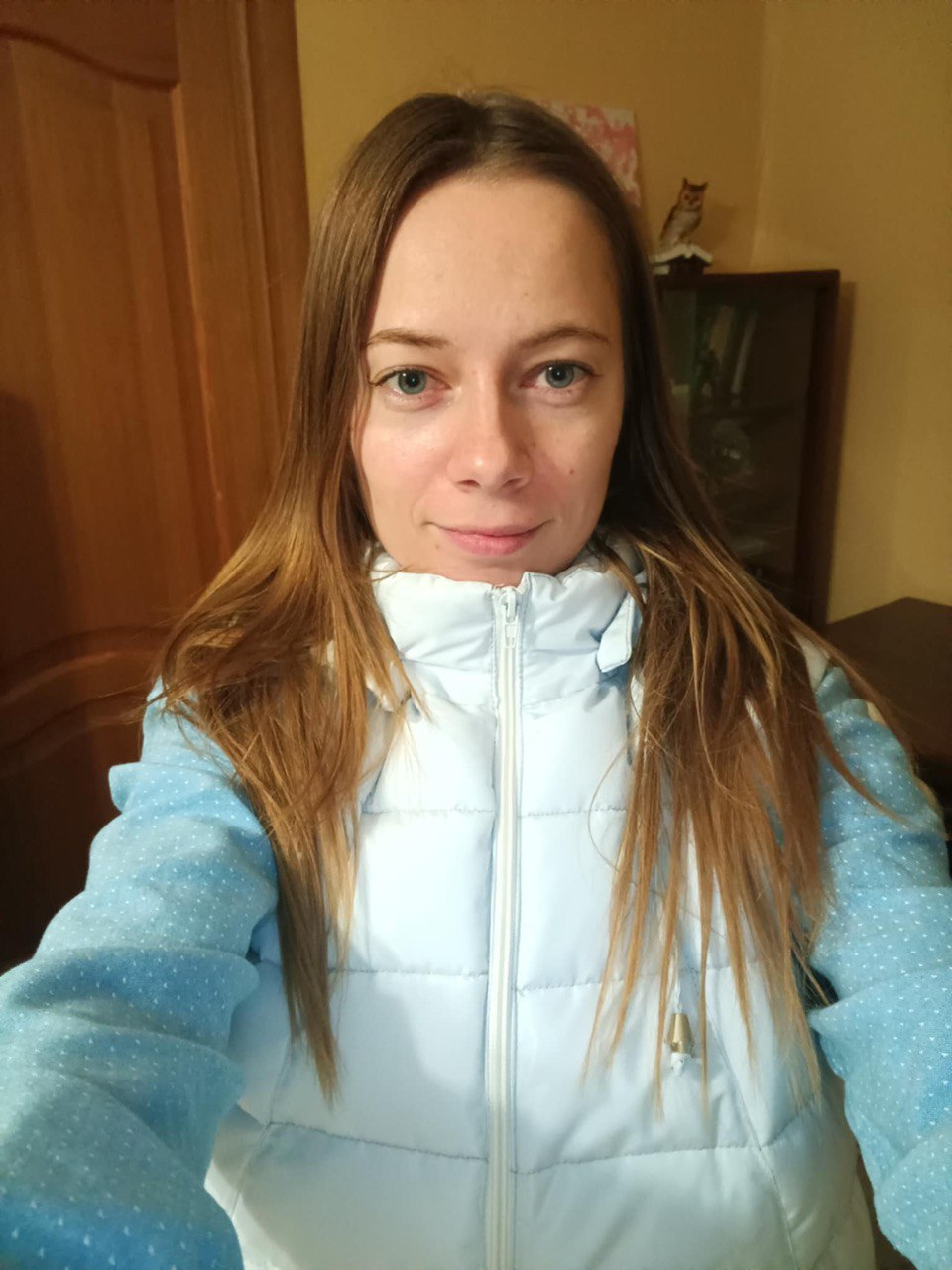
Born and raised in Sevastopol, Crimea, she met her husband, Serhii, in 2013. After witnessing the 2014 occupation of her hometown when she was just 18 years old, she moved to Serhii's home region in Pokrovsk, Donetsk. There, they got married in 2015, and she went on to study at the Technical University. Then came February 2022.
"That night we didn’t sleep; we stayed up late watching movies," Olexandra recalls. "At around 3am, strange messages started appearing in the news about missiles and an invasion. I remember that I even argued that it wasn’t true. But with every minute, more and more people from different parts of the country began reporting attacks and gunfire. My first words were: ‘Serhii, it seems the war has begun.’"
Staying Behind as the City Emptied
In the beginning, life carried a strange duality. Sometimes there were strikes outside the city, and planes and helicopters flew overhead. Yet, people were still buying and selling housing, stubbornly believing in a better future.
The first mass evacuation happened at the start of 2022, leaving Pokrovsk completely empty—but Olexandra and Serhii chose to stay. They remained until the second mass evacuation in August 2024, watching the world they knew slowly fracture.
Surviving the Frozen Dark
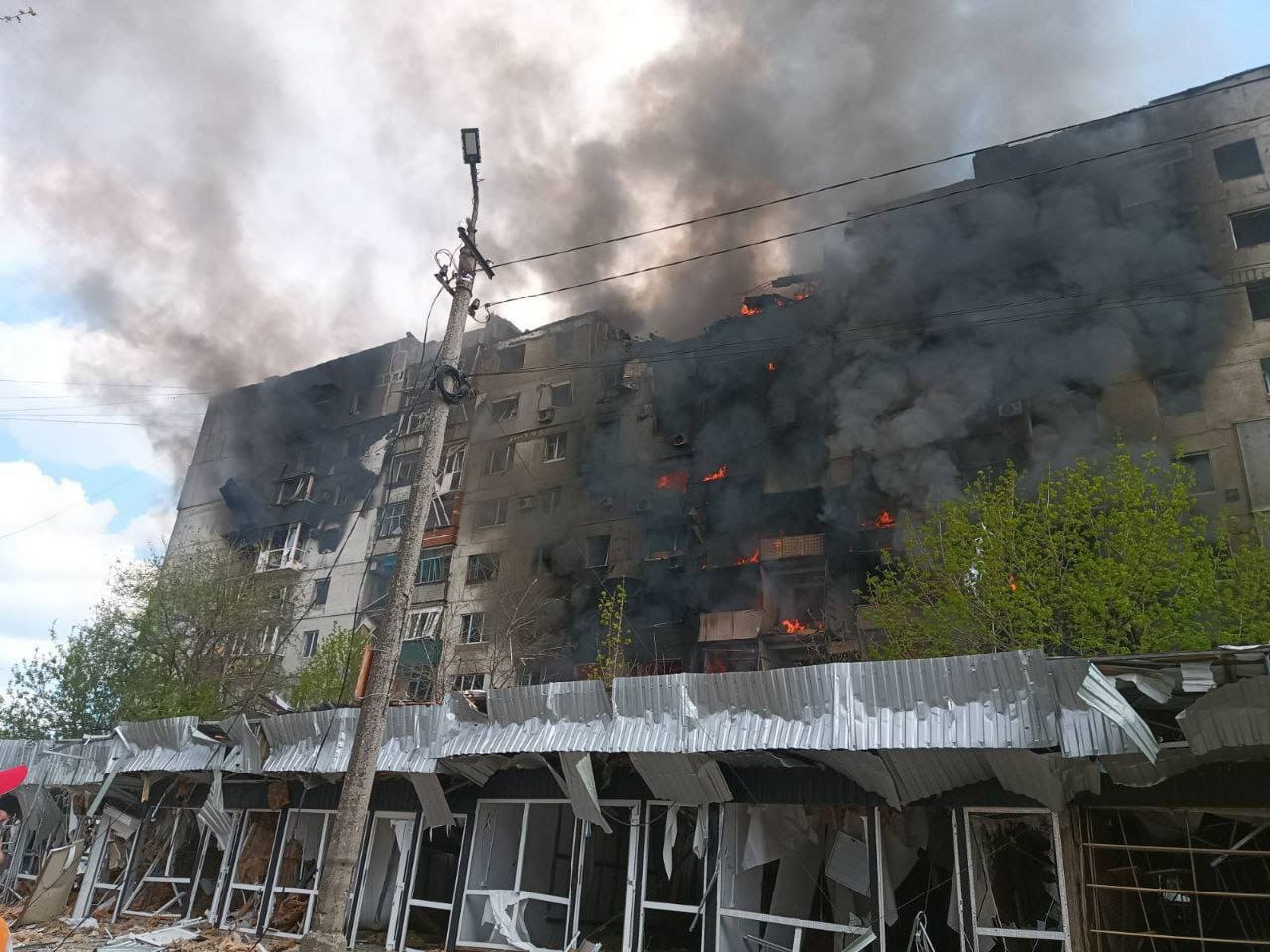
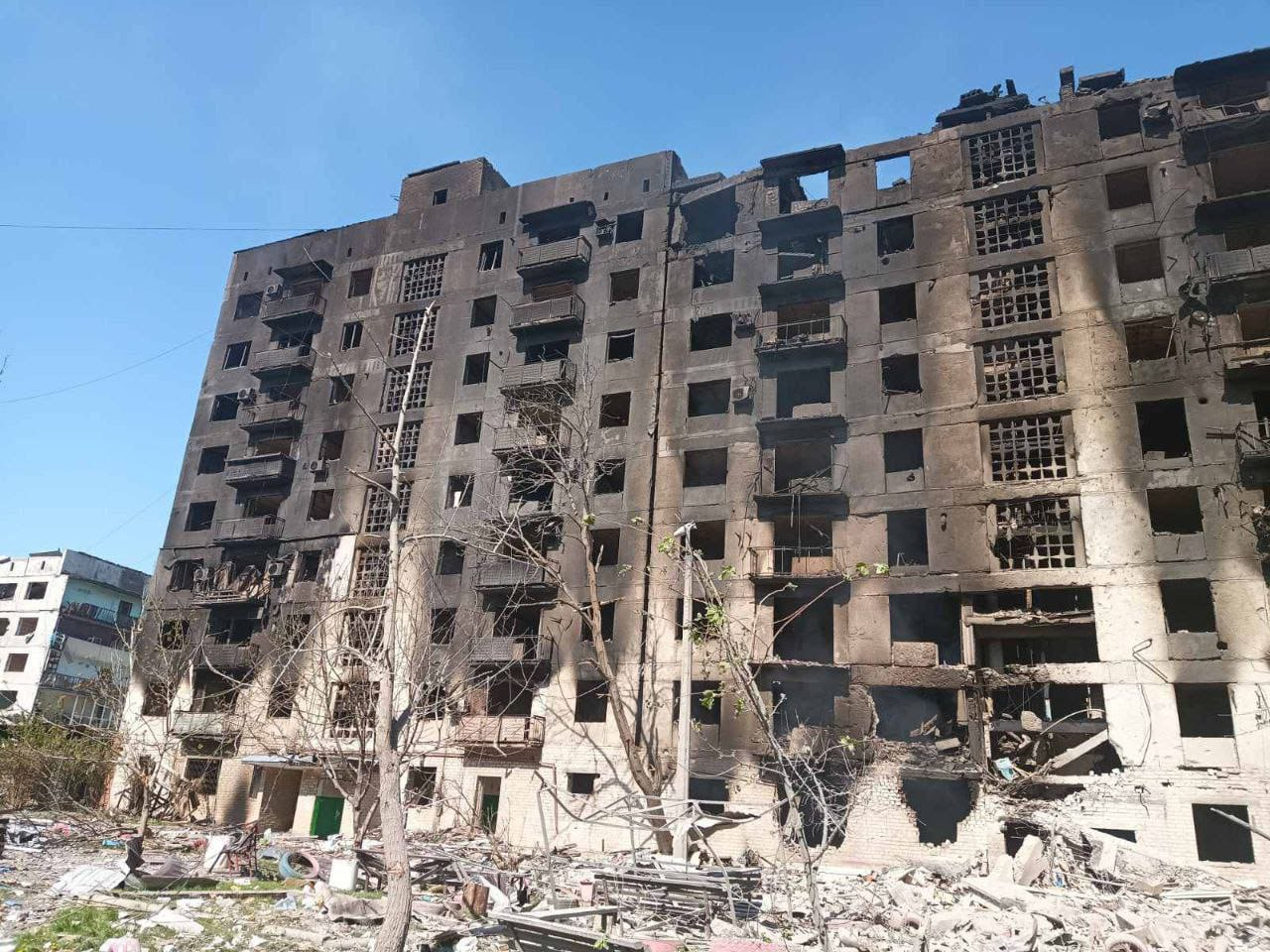
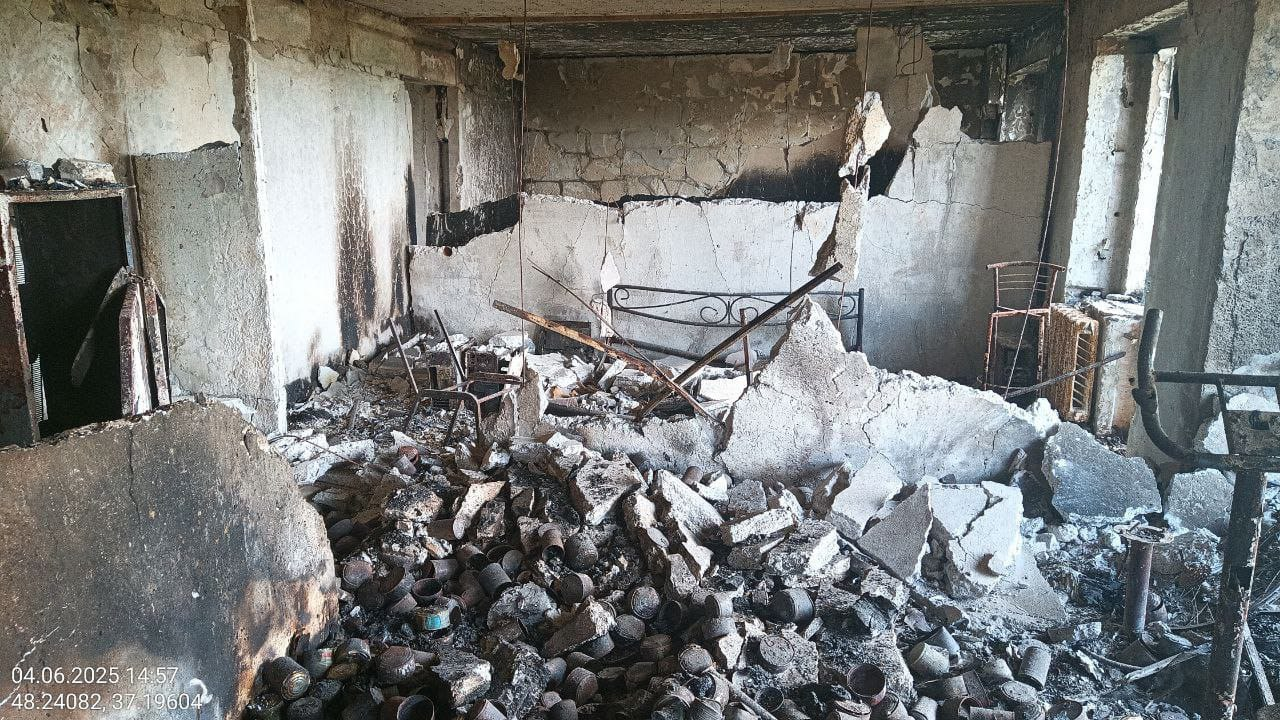
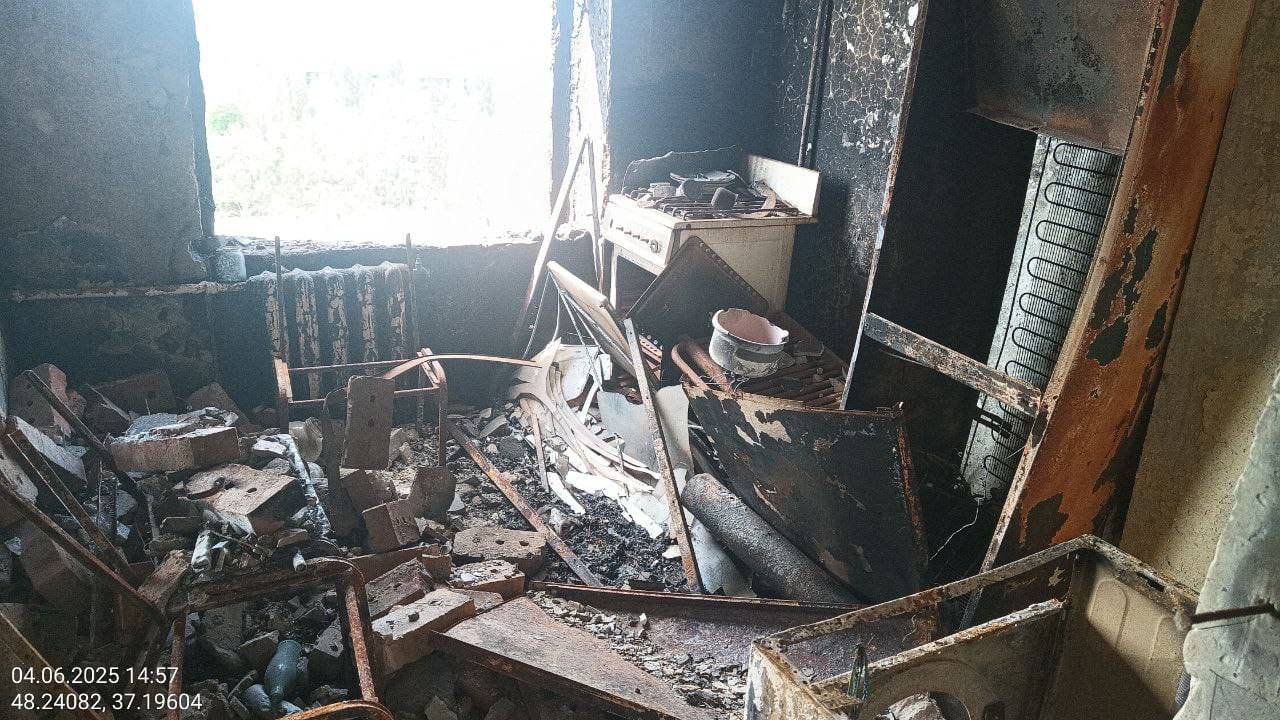
By late 2024, the situation in Pokrovsk had grown desperate. Shelling decimated the infrastructure. First the electricity failed, then the gas was cut off in freezing December. Living on the 9th floor of their apartment building became too dangerous. By the generosity of their neighbors, Olexandra and Serhii were given keys to move to the 3rd floor of another building just to be closer to the ground.
Communication with the outside world hung by a thread; from time to time, generators were connected to local cell towers, providing just a few hours of internet and phone signal a day.
To survive the brutal winter, they had to come up with their own solutions:
- Heating: They heated their single room using hand sanitiser, using the high alcohol content to light a small fire. This kept the temperature between 6°C and 13°C.
- Power: They used a solar panel to charge a car battery, which they then used to power their phones.
- Water: They walked back and forth to local wells to draw drinking water and technical (non-drinking) water.
Surviving and Serving
As the crisis deepened, humanitarian organisations arrived with aid and hot meals. In the spring, Olexandra and Serhii learned that hot meals were being distributed near the railway four days a week, from Monday to Thursday. However, with about 150 people already registered, they had to wait a painful month in line before they could finally join the queue to receive food.
They got by on these hot meals, older humanitarian aid packages, and preserved foods.
"It turns out," Olexandra says, "a person really does not need very much."
Even as survival became a full-time job, Olexandra and Serhii chose to help those who couldn't help themselves. They delivered hot meals to neighbors across the city, repaired shattered windows, and fetched vital medicine for those who couldn’t move.
They did all of this under a terrifying routine. The Russian military implemented a predictable "work schedule" of daily guided aerial bombs that rained down on their city, specifically between 11:00–14:00 and 17:00–19:00.
"During those hours we didn’t go anywhere—we lived from one strike to the next," Olexandra says.
A Heartbreaking Loss
The horrors of war struck intimately on June 28, 2025. While riding their bicycles during a quiet window to find an internet signal and check in on loved ones, a targeted drone strike hit Serhii.
Though the specialised "White Angels" police evacuation unit arrived within ten minutes, the nightmare wasn't over. The evacuation vehicle itself was targeted and struck by another drone. Tragically, after suffering three cardiac arrests from his injuries, Serhii passed away.
The Long Road to Healing
Today, Olexandra is safe from the immediate shelling, living in Kropyvnytskyi, but the physical and emotional scars of that day remain wide open.
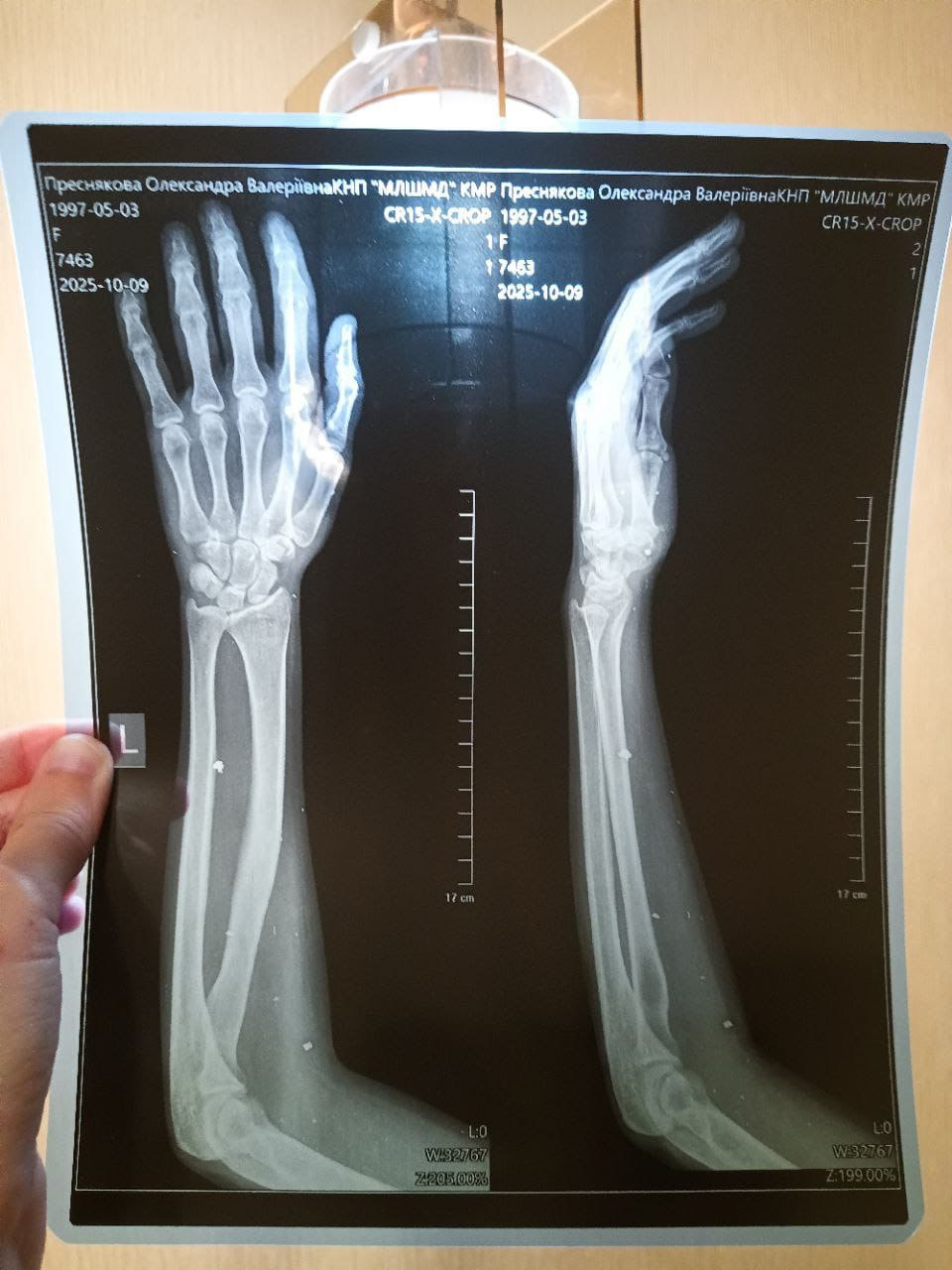
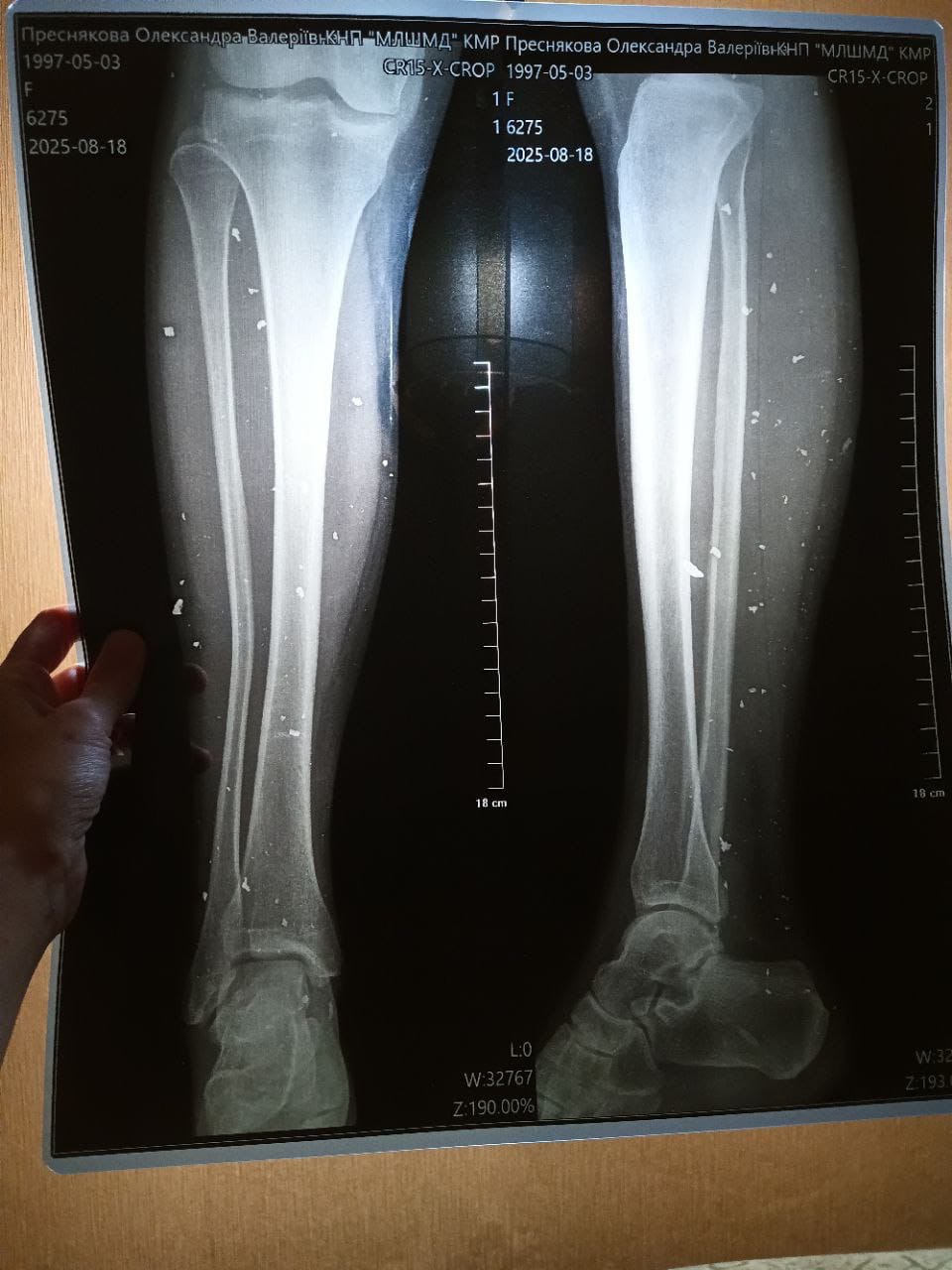
"I still have shrapnel in my body," she shares. "To remove it, they would have to cut open my entire leg. The fragment in my arm damaged the main nerve, so half of my arm is still numb. I cannot stand on my feet for more than 10 minutes. Rehabilitation is very difficult."
Unable to work due to her severe physical limitations and the heavy weight of her grief, Olexandra represents the hidden reality of millions of displaced Ukrainians—safe from the bombs, but facing an uphill battle to rebuild a shattered life from scratch.
How BREADtrust is Bringing Light
In her darkest hour, Olexandra has not been left entirely alone. Through BREADtrust's network, she connected with the "House of God’s Grace" church in Kropyvnytskyi.
This local church has wrapped its arms around Olexandra, providing her with the practical aid, emotional support, and community care she desperately needs to navigate her ongoing rehabilitation.
"I am very grateful to the church for the help they have given me during this very difficult time in my life," says Olexandra. "It is deeply valuable to me."
Olexandra’s story is a heavy reminder of why BREADtrust does what it does. The war is not over, and the trauma outlasts the explosions. But because of your generosity, local churches on the ground can be the hands and feet of hope, offering a lifeline to survivors like Olexandra.
Partner with us to keep supporting survivors. Your donations directly fund local churches and relief networks in Ukraine, providing food, shelter, medical aid, and a loving community to lean on.
Donate to BREADtrust's work today:
breadtrust.com/donate